



Fixing High Ad Campaign Spend and Low Conversions
.jpg)
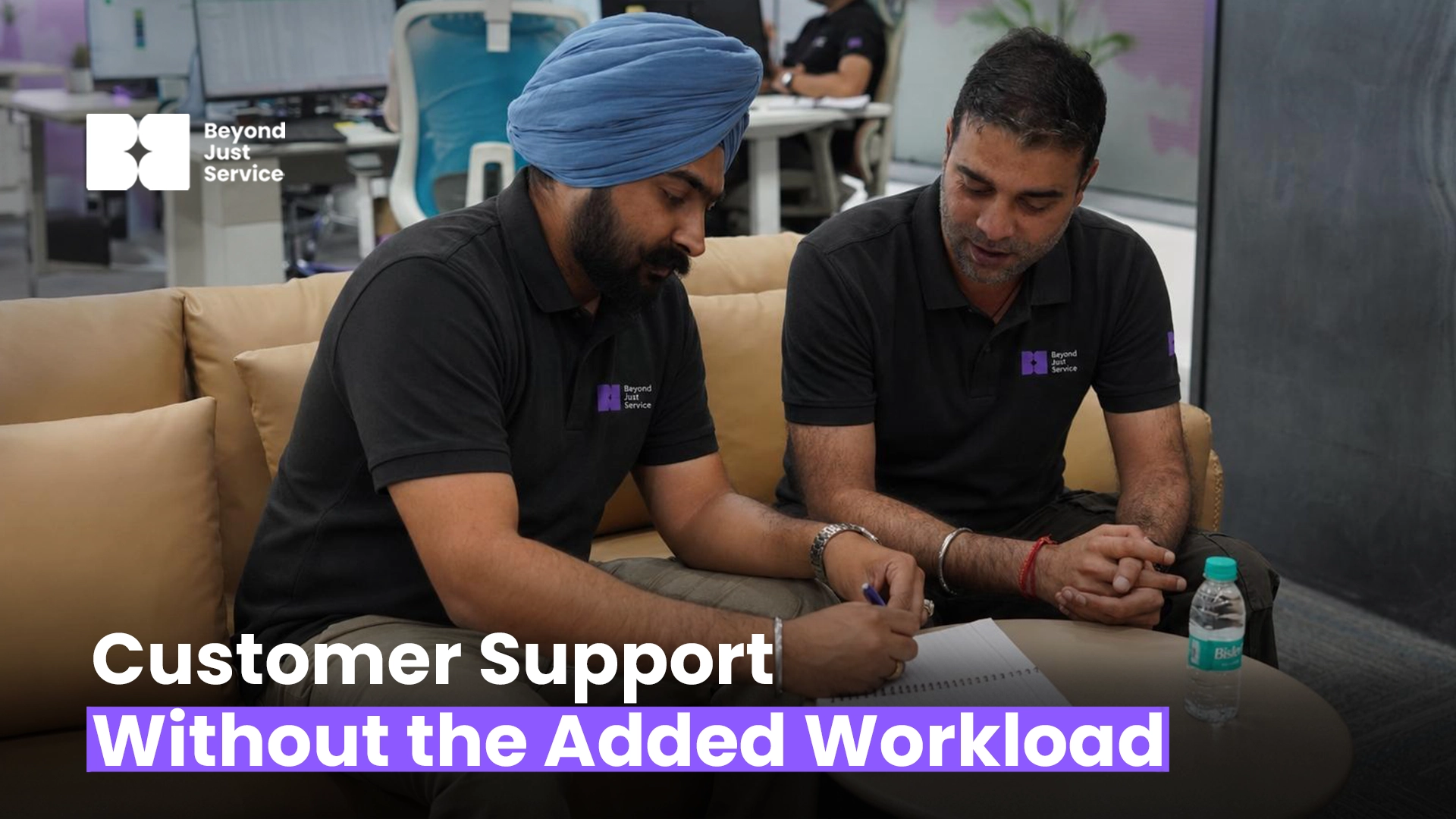
Customer expectations have changed the way businesses approach support.
Keeping up with these evolving expectations becomes even more challenging when internal teams are busy managing sales, operations, administration, and other responsibilities.
The consequence? Customer enquiries keep coming in. Teams get stretched. Response quality starts to vary. And somewhere between managing workloads and meeting targets, CX takes a hit.
This is where outsourced customer support becomes a practical business solution.
Customer satisfaction is built through the small moments that happen after a sale. A useful response. A patient agent. A complaint handled with care. An issue followed through to resolution.
These experiences influence whether customers stay with a brand, recommend it, or look elsewhere.
Why does customer satisfaction matter?
Support conversations also reveal what customers are struggling with.
Repeated complaints may point to a product issue. Recurring questions may show that information is difficult to find. A pattern of service requests may highlight a process that needs attention.
Customer support, therefore, is not just about answering enquiries. It gives businesses a direct view of what customers experience.
Customer support requires people, training, systems, monitoring, and daily management.
When these responsibilities sit entirely with an internal team, support work competes with other priorities. That creates pressure.
Outsourcing gives customer support its own dedicated team, while internal employees focus on their role-specific responsibilities.
The purpose is not to move customer support outside the business and forget about it. It is about giving the function the people and processes it needs to work properly.
Many businesses underestimate the process of choosing an outsourcing partner.
The wrong provider can impact your existing processes, miss compliance requirements, and fail to understand your clients and the wider context behind their needs.
The right provider needs to fit into the way your business works.
An outsourced call centre is an extension of your business, not a separate team working in isolation. Shared processes and responsibilities create the foundation for that relationship.
Handing customer support to an external provider does not mean handing over the entire customer experience.
They need to know how your brand speaks. They need access to the information required to answer customers. They need to know which issues they can resolve and which ones need escalation.
Communication needs to continue after onboarding.
A change to pricing, a new product, a policy update, or a change in customer process needs to reach the support team before customers start asking about it.
Regular reviews also give both teams space to discuss customer feedback, recurring issues, service results, and process changes.
That connection keeps outsourced support tied to the business rather than operating as a standalone function.
Customer support needs measurement.
Without data, it becomes difficult to see where the service is working and where customers are facing problems.
A few key metrics give businesses a useful starting point:
Businesses can leverage support data to identify recurring issues, understand customer expectations, and make changes across the wider operation.
Customer support is where your brand shows up when customers need you most. That interaction carries weight.
An outsourced contact centre gives businesses access to dedicated people, processes, and the capacity to manage these interactions without placing the full workload on internal teams.
At Beyond Just Service, we provide contact centre services including voice, email, live chat, and ticket handling. Our scalable teams and professional agents handle every conversation in line with your brand tone.
Ready to give your customers the support they expect? Connect with us.
Customer satisfaction builds trust and encourages repeat purchases, while also helping you gain insights into customer expectations.
Outsourcing allows your internal employees to focus on their core role-specific responsibilities rather than being distracted by support tasks.
Relevant industry experience, robust agent training, reliable quality monitoring processes, regular reporting, and GDPR compliance.
Maintain a close partnership by providing clear communication guidelines, approved responses, and regular updates on products or policies.
Customer Satisfaction Score (CSAT), Net Promoter Score (NPS), and First Response Time (FRT). Additionally, monitor resolution rates and review customer feedback.