



Expanding Data Handling Capacity for Seasonal E-Commerce and Logistics Peaks

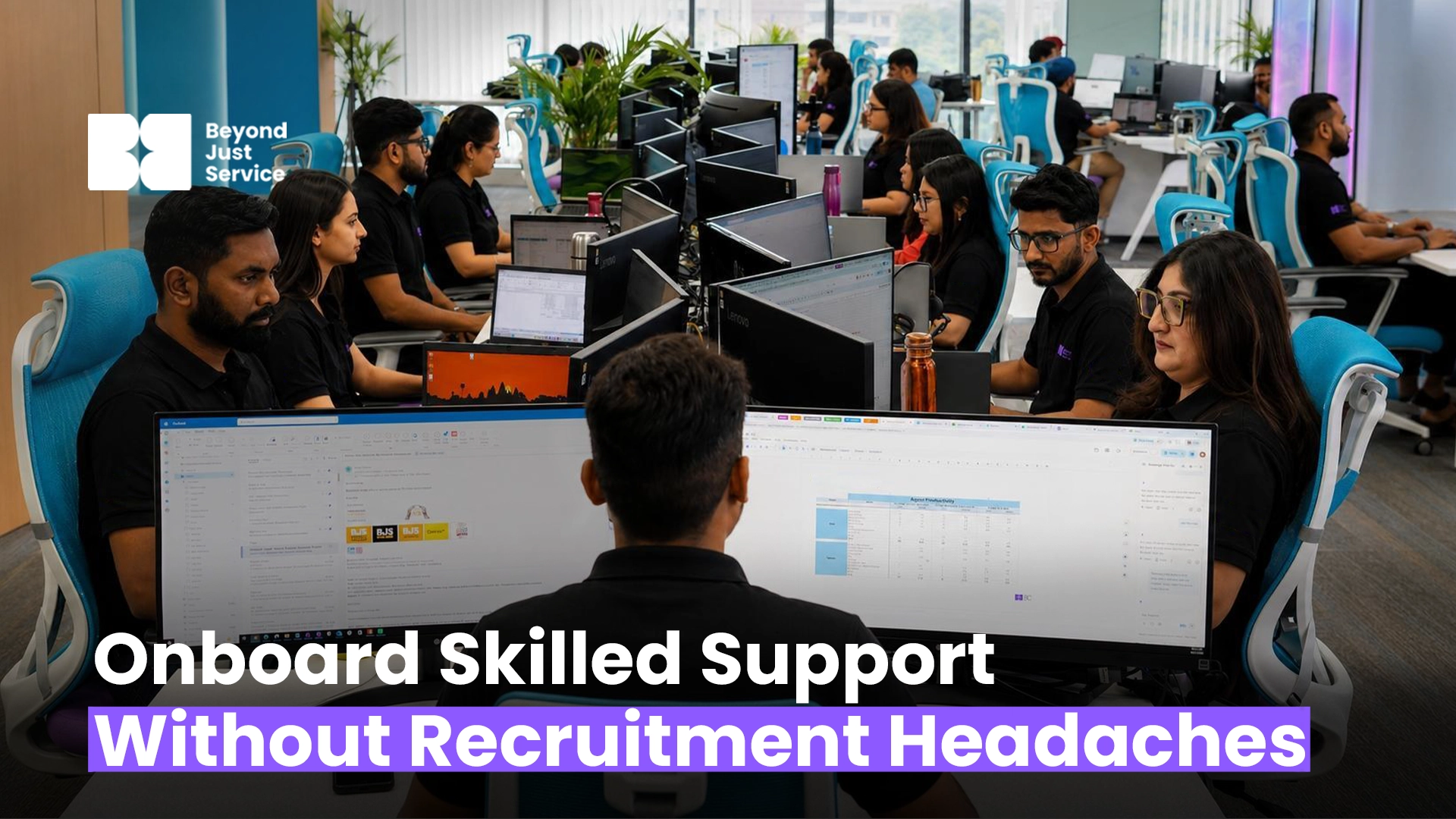
Hiring today comes with high workloads, tight talent pools, and pressure to fill open roles. Teams get caught in a cycle of sourcing candidates, reviewing applications, arranging interviews, sending follow-ups, and managing hiring records. These tasks build up; they take time away from core responsibilities and put added pressure on the team.
Outsourcing selected business tasks gives companies access to skilled support without expanding the internal team. It removes recurring workloads from in-house staff and gives them more capacity to focus on activities that keep business moving.
Recruitment pressure reflects a wider workload issue. Internal teams handle administrative, customer service, and support functions alongside their primary responsibilities.
Delegating tasks externally reduces the need to add additional headcount. Moreover, employers can secure skilled recruitment talent at a 40% to 60% lower total cost compared to scaling up an in-house team.
Finding suitable candidates involves market research, outreach, and follow-up. Managing these activities alongside other responsibilities adds to the team's workload.
An outsourced recruitment team manages candidate searches and initial outreach based on the role requirements. Internal staff stays focused on workforce planning, employee support, and business priorities.
Admin work takes up a significant share of internal team capacity. Data entry, document processing, record management, and routine coordination require staff time that belongs with core responsibilities.
Here, back-office support gives internal employees dedicated support for recurring administrative tasks. This creates capacity within the existing team before another hire becomes necessary.
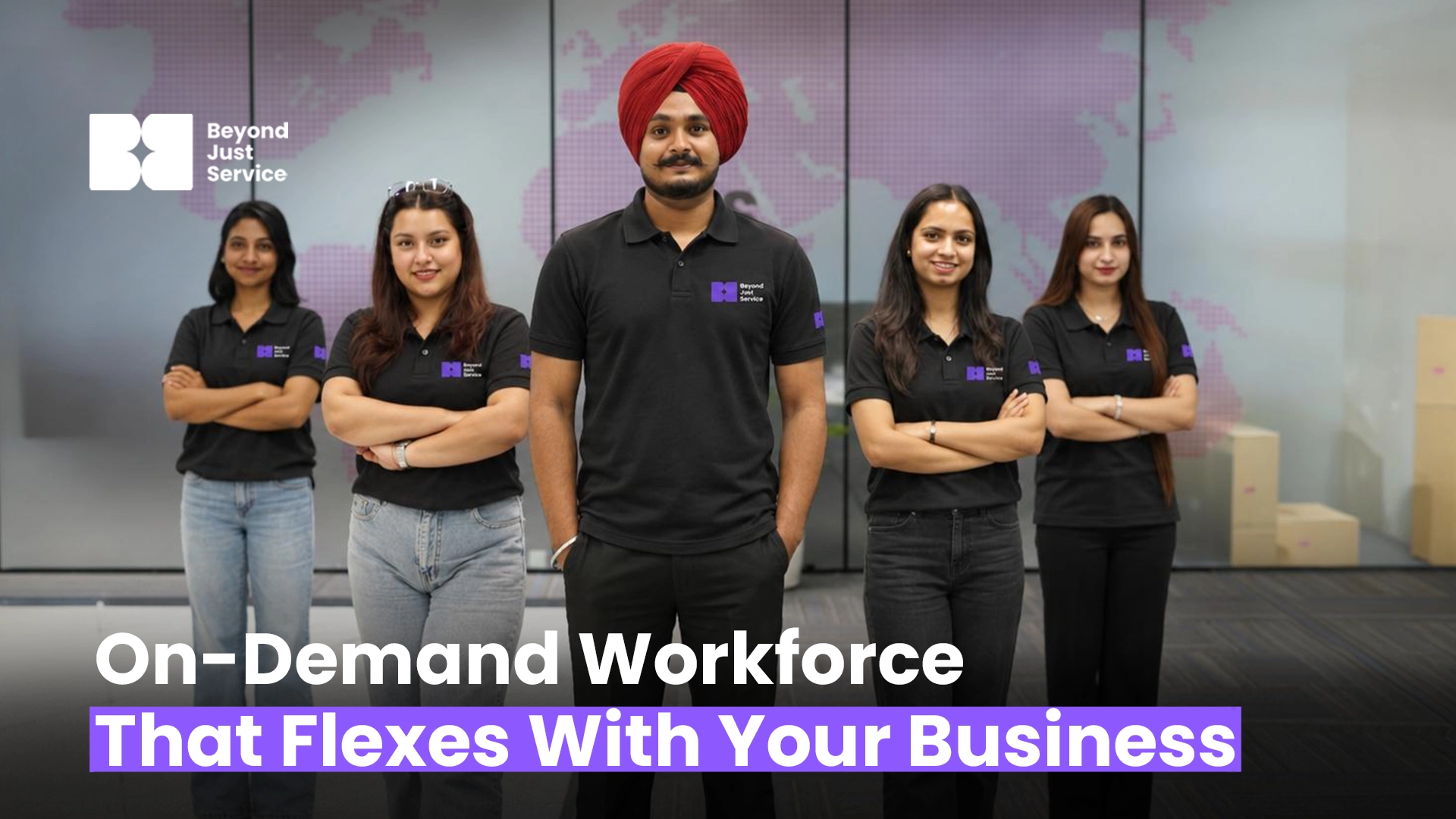
Business growth, new contracts, and project launches increase workloads across customer service, administration, data processing, and back-office operations. Adding permanent employees to manage these demands creates an ongoing staffing commitment.
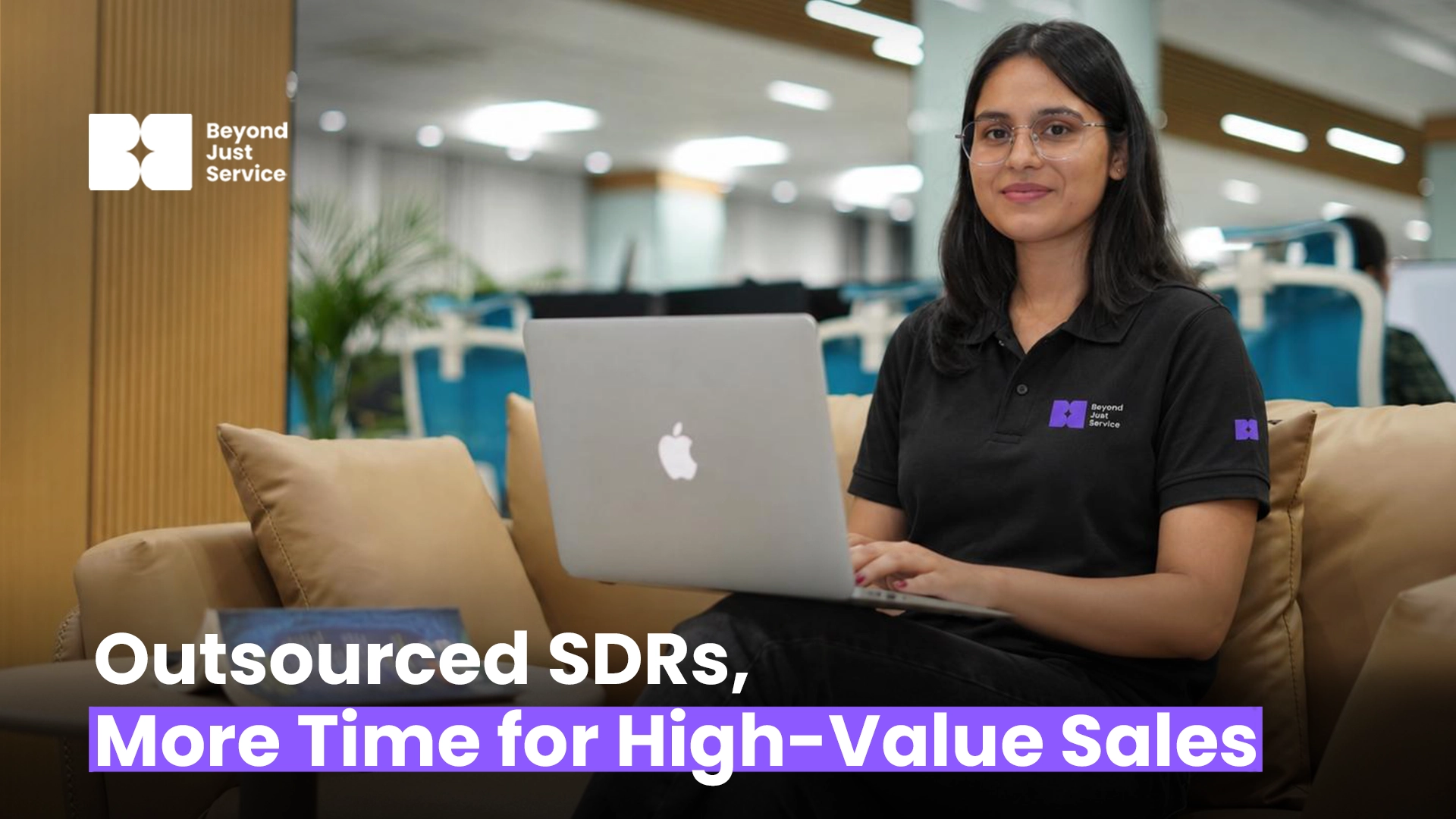
Outsourcing provides additional capacity when workloads rise. Businesses gain access to skilled professionals without adding permanent positions to the internal team.
Employees handle support tasks alongside their primary responsibilities. Customer enquiries, data management, order processing, appointment scheduling, and administrative work all require staff capacity.
Outsourcing these functions gives internal employees more time for work that supports business goals. It also reduces the workload that leads to additional internal hiring.
Different business functions require specific skills. Contact centre operations, data processing, administrative support and customer service require trained professionals and defined processes.
Outsourcing brings these skills into the business without requiring an internal recruitment process for each function. Companies gain access to trained professionals while their internal workforce stays focused on its primary responsibilities.
Some business functions require dedicated expertise and consistent attention. Contact centre support, back-office administration, data management and customer service require people with knowledge of the processes involved.
An external team with experience in these functions provides dedicated support for the workload. Internal managers retain oversight while the external team handles the assigned responsibilities.
Customer communication covers enquiries, follow-ups, appointment scheduling, and service updates. Poor coordination creates delays and adds administrative work to internal teams.
An outsourced call centre manages these interactions according to the company's service process. Customers receive consistent support while internal teams focus on responsibilities that require their direct involvement.
Adding employees to handle recurring support work creates ongoing costs across salaries, training, equipment, and management. These expenses remain when the volume of work changes.
Outsourcing provides an alternative way to manage these costs. Businesses can assign specific functions to an external team instead of adding permanent headcount for work outside their core operations.
Business processes become difficult to manage when responsibilities are spread across emails, spreadsheets and separate systems. Customer records, data entry, order processing, enquiries and administrative tasks need clear ownership.
An outsourced team takes responsibility for agreed functions and follows defined processes. Internal teams maintain visibility over the work while the external team handles the assigned tasks.
Outsourcing gives businesses access to skilled professionals without creating a permanent position for each support function. Companies assign specific workloads to external teams while keeping management and business decisions in-house.
This gives internal teams additional capacity without adding another recruitment cycle to the business. Employees stay focused on their core roles while an external team manages the support work behind them.
Outsourcing does not require businesses to hand over an entire function. Companies can outsource specific responsibilities such as customer support, data processing, administration, back-office work or contact centre operations while keeping management and business decisions in-house.
At Beyond Just Service, our expert team gives end-to-end business outsourcing solutions from HR activities and customer support to back-office operations and digital marketing services.
The result is a business with greater capacity across its existing workforce and a practical way to manage support functions without turning each increase in workload into another recruitment requirement.
Removes recurring workloads like administration and customer service to free up capacity, eliminating the immediate need to hire new staff.
You can outsource various support functions including customer service, data processing, back-office administration, and contact centre operations.
No, you retain management and decision-making authority while the external team handles the specific, agreed-upon workloads.
It provides an alternative to adding permanent headcount, which avoids ongoing expenses like salaries, equipment, and training for new employees.
It doesn't replace internal teams but strengthens them by providing dedicated support for routine tasks.
.jpg)
