
.jpg)

.webp)


Eradicating Internal Processing Errors That Hurt Your Bottom Line

Customers are increasingly looking to have support whenever they need it, and having the ability to provide effective 24/7 customer support is increasingly crucial for businesses of all sizes to remain competitive. A study by Zendesk found that 64% of customers want to see real-time brand responses and engagement, showing the increasing need for 24/7 support.
For small businesses specifically, providing continuous customer service is especially difficult. We can discuss the dos and don'ts of developing successful 24/7 support systems to help your business thrive without emptying your wallet.
Before diving into strategies, it's important to understand what's at stake. A Microsoft survey revealed that 90% of Americans consider customer service when deciding whether to do business with a company. Additionally, HubSpot research shows that 93% of customers are likely to make repeat purchases with companies that offer excellent customer service.
In addition, Zendesk finds that 73% of the customers will switch to a competitor following several bad experiences, and over 50% will switch following one bad experience, reinforcing the high cost of poor support.
These numbers highlight the significance of available, dependable assistance in customer return and business success. If you believe that you can get support at any moment you need it, you inevitably have faith in and stick to that business. In other words, 88% of consumers show that good customer service keeps them coming back as customers, according to Salesforce Research.
Customer care done the proper way is all about being available all the time, anywhere. Live AI chat, improved help centers, and automated ticket systems all work smoothly on smartphones. The easy things can be handled by AI robots, and the more challenging problems are passed on. Customer support via web channels provides customers with the power to self-serve, reducing simple inquiries.
Automated ticketing keeps everything tidy and accelerates resolutions. And being mobile-enabled makes support always available. This approach can truly increase customer loyalty, like up to 91%, and make customers more satisfied, everything flows more smoothly, and increases their value over time. Surprisingly enough, firms that excel in personalization are 71% more likely to have improved customer loyalty, Deloitte states.
For many small enterprises, it is not possible to have an in-house 24/7 workforce. This is where outsourced call answering is available. Outsourced call center services for small businesses can provide experienced representatives who answer customer calls during your business's off-hours.
When selecting an outsourced call center, look for providers with:
Call centre outsourcing allows you to get good-quality customer contact without having to pay for the recruitment of full-time staff to handle overnight shifts.
Customer service in the current era is not all about having someone to pick up the phone. Firms employing omnichannel support policies have 91% customer retention rates as opposed to firms that do not, as identified by Aberdeen Group. Engage in multi-channel through:
Whether employing in-house staff or a call center for a small business, ongoing training is essential. Each representative should:
The customer support process doesn't conclude after a call or chat has been placed. Have processes that:
Beyond Just Service monitors how fast we're making callbacks, how fast we're getting problems fixed, how happy customers are, and what problems continue to recur. We'll examine the statistics, look at what's on the rise, and determine where we can do better. Then, based on what we discover, we'll make adjustments to our processes, training, and equipment. We'll roll out our changes and continue to fine-tune to continue making customers happy and grow the business. We'll use the metrics to continually get better.
Ongoing improvement is a requirement that needs to be measured. Key metrics to monitor are:
Keep these measurements in line from time to time and modify your outsourced call handling services or internal processes as needed.
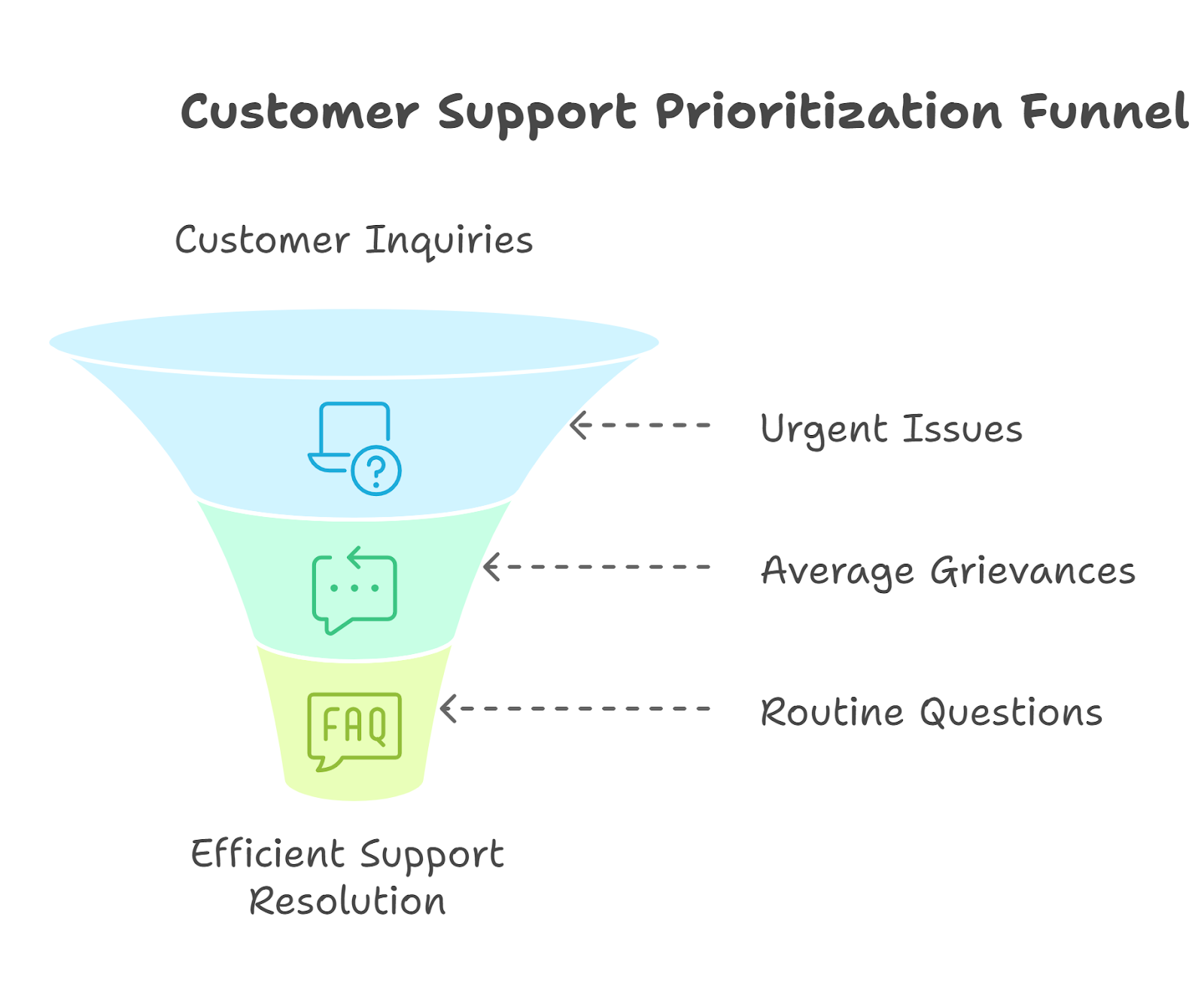
Increase staffing for support workers by demand and channel utilization. Staffed by tier of channel urgency, with high-priority channels having 24x7 attention and lower-priority ones getting cut-down hours or async support. Staffing by tier will be justified by usage analytics. For routine issues, drive to self-service to maintain live agents under load during non-scalable times.
Making good 24/7 customer service affordable does not have to break the bank. By careful integration of outsourced call center activity, technology-based solutions, and trained staff, even small enterprises can offer the clock-around service that today's customers demand.
Keep in mind that the goal isn't always to have answers 24/7 but to deliver positive customer experiences that build loyalty and trust in your company. Properly implemented, 24/7 support is more than just an amenity as a service feature—more as a differentiator to drive business growth.
Whether you choose to build an in-house team or leverage call centre outsourcing services, these best practices will help ensure your customers feel valued and supported whenever they reach out, day or night.

.jpg)